

American Standard Restoration embodies the spirit of preserving and celebrating the diverse fabric of American culture through its commitment to top-notch restoration methods. As individuals and communities seek to preserve their heritage, American Standard Restoration stands out for its commitment to reviving and enhancing historical structures, ensuring that they remain a reflection of the craftsmanship and artistry of past generations. The craftsmanship involved in restoration work not just honors the original designs but also fosters a sense of pride and continuity within the community.
In a nation where history is often woven into the very fabric of society, the techniques used in restoration play a crucial role in safeguarding cultural legacies. From meticulous woodwork to authentic paint applications, ASR employs practices that show a deep respect for tradition. By connecting past and present, these restoration efforts encourage a greater appreciation for architectural history and motivate future generations to treasure their roots.
Importance of Restoration of Restoration
The practice of restoration in America has deep ties that embody the nation's developing identity and principles. Throughout time, structures, landmarks, and entire neighborhoods have been rehabilitated not just for their design beauty, but to maintain the stories and histories that shaped American culture. This focus on restoration demonstrates a dedication to honoring the past while enabling it to inform the present and future.
Restoration techniques often involve careful attention to specifics, reflecting historical methods and materials. This genuineness is essential for upholding the integrity of sites that hold cultural significance. Whether it is a historic home, a civic building, or a district, restoring these spaces serves to inform future ages about the history of their communities. The act of restoration alone becomes a narrative, connecting the past to contemporary society.
Moreover, American Standard Restoration demonstrates the balance between cherished preservation and realistic adaptation. As city areas change and develop, restoration efforts ensure that important elements of heritage are not lost amid current development. By utilizing standard restoration techniques, societies can efficiently preserve their unique character and identity, ensuring that the rich tapestry of American culture continues to prosper.
Techniques in Standard Restoration
U.S. Standard Restoration utilizes a range of techniques aimed at protecting and enhancing the cultural value of cultural sites and structures. One crucial technique is structural stabilization, which guarantees that buildings can survive the ravages of time while maintaining their original character. This often includes strengthening structural elements, repairing footings, and dealing with any damage caused by weather or occupancy. By emphasizing structural integrity, restorers help guarantee that the beauty of a site are bolstered by expert construction.
Another crucial aspect of standard restoration is the careful application of original materials. Conservationists emphasize using historically accurate materials that correspond to the historical background of the structure. This may involve sourcing historically fitting bricks, wood, and various resources that reflect the architectural style of the time. Skilled artisans and craftsmen are often recruited to reproduce details faithfully, confirming that the building’s unique features are honored and maintained for future generations.
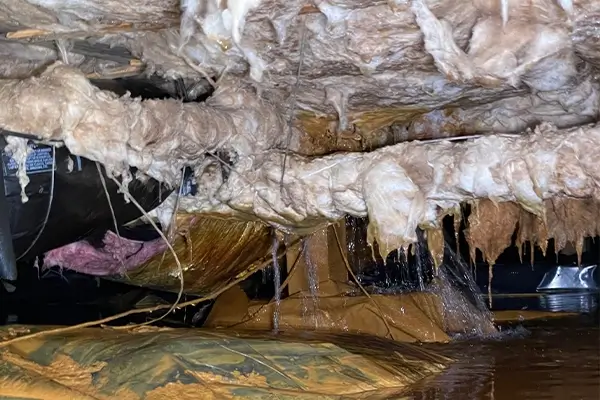
Furthermore, environmental considerations play a vital role in restoration projects. Techniques such as energy efficiency improvements and green techniques are more and more included into restoration efforts. Using modern technologies that are in harmony with historical styles allows restorers to improve the practical use of buildings without sacrificing their integrity. This approach not just celebrates American culture through restoration but also guarantees that these sites continue to be important and practical in the modern context.
Examples of Successful Revitalizations
One notable example of American Standard Restoration is the revitalization of a historic theater in a quaint town. Once Emergency water extraction Tacoma WA for the community, the theater had fallen into disrepair. The restoration team focused on maintaining the original architecture while integrating modern amenities. Through careful attention to detail, they rehabilitated the elaborate ceilings, original marquee, and vintage decor, breathing new life into the space. Today, the theater hosts performances, film screenings, and community events, becoming a cultural beacon for the town.
Another motivating case is the conversion of an abandoned Victorian home into a vibrant community center. The restoration process emphasized the importance of preserving cultural heritage. Original woodwork was carefully refinished, and the vintage windows were restored to their former glory. The project not only preserved the building's historical significance but also provided a gathering place for local artists and residents. This effective restoration linked the community with its heritage and fostered a sense of pride.
A third example can be observed in the successful revival of a vintage diner, a icon of American culinary culture. The restoration aimed to keep the authentic feel while upgrading essential facilities. The bright neon signage was repaired, and the classic chrome countertops were shined to gleam like new. With a commitment to maintaining the diner’s original charm, the owners developed a menu that celebrated local flavors. This project has not only attracted patrons from the neighborhood but also tourists, eager to experience a slice of American nostalgia.